
Transform Your Health Through Nutrition
Discover evidence-based nutrition principles and learn how balanced food choices support your wellness journey every single day.
Core Nutritional Principles
Understanding the fundamentals of balanced nutrition helps you make informed choices about what you eat. These core principles form the foundation of healthy eating habits that support your long-term wellness.
Whole Food Emphasis
Prioritize unprocessed, natural foods like fruits, vegetables, whole grains, and legumes that provide maximum nutritional density.
Macro Balance
Balance carbohydrates, proteins, and healthy fats in your meals to maintain stable energy levels and support bodily functions.
Hydration Habits
Maintain adequate water intake daily to support digestion, nutrient transport, and overall cellular function in your body.
Micronutrient Variety
Consume diverse foods to ensure you get all essential vitamins, minerals, and phytonutrients your body requires daily.
Why Nutritional Balance Matters
Nutritional balance is the cornerstone of sustainable wellness. When you consume the right mix of nutrients in appropriate portions, your body functions optimally. Energy levels stabilize, mental clarity improves, and your immune system strengthens naturally.
Every food choice either builds or depletes your body's nutritional reserves. A balanced approach means you're not restricting entire food groups or chasing extreme trends. Instead, you're learning which foods work best for your body and how to combine them strategically.
The science is clear: people who maintain consistent, balanced nutrition experience better energy, improved digestion, clearer skin, and greater mental focus. These benefits extend far beyond appearance—they influence how you feel every single day.

Essential Nutrients You Need Daily
Your body requires specific nutrients to function optimally. Understanding which foods deliver these nutrients helps you build meals that truly nourish you.
Carbohydrates
Your primary energy source. Whole grains, vegetables, and fruits provide carbs along with fiber and micronutrients for sustained fuel.
Key sources: Oats, brown rice, sweet potatoes, beans, quinoa
Proteins
Essential for muscle maintenance, enzyme production, and immune function. Both animal and plant-based sources are valuable.
Key sources: Fish, chicken, legumes, nuts, Greek yogurt, tofu
Healthy Fats
Support brain health, hormone production, and nutrient absorption. Choose unsaturated fats from whole food sources.
Key sources: Olive oil, avocados, nuts, seeds, fatty fish
Vitamins
Organic compounds crucial for metabolism, immunity, and vision. Each color of produce offers different vitamin profiles.
Key sources: Citrus fruits, leafy greens, berries, carrots, broccoli
Minerals
Inorganic nutrients supporting bone health, fluid balance, and nerve function. Work synergistically with vitamins.
Key sources: Nuts, seeds, leafy greens, whole grains, dairy
Phytonutrients
Plant compounds with antioxidant and anti-inflammatory properties. Eat a rainbow to capture this full spectrum.
Key sources: Berries, green tea, turmeric, peppers, dark chocolate
How to Build a Balanced Meal
Creating nutritious meals doesn't require complex calculations or special ingredients. Follow this simple framework to build balanced plates consistently.
Start with Vegetables
Fill half your plate with colorful vegetables—raw, steamed, or roasted. Include at least three different colors to maximize micronutrient diversity. Vegetables provide fiber, vitamins, minerals, and phytonutrients with minimal calories, allowing you to eat satisfying portions.
Add Protein Source
Allocate one quarter of your plate to protein. Choose from fish, poultry, lean meat, legumes, eggs, or plant-based options. Protein supports muscle maintenance, satiety, and stable blood sugar. Aim for a palm-sized portion at each meal.
Include Smart Carbs
Fill the remaining quarter with whole grains, starchy vegetables, or legumes. Choose less-processed options like brown rice, quinoa, or sweet potatoes over refined carbs. These provide sustained energy and additional fiber.
Add Healthy Fat
Include a source of healthy fat with every meal—olive oil drizzle, avocado slice, handful of nuts, or seeds. Healthy fats improve nutrient absorption, support hormone production, and enhance satiety to keep you satisfied longer.
Nutrient-Rich Food Combinations
Certain food pairings enhance nutrient absorption and create synergistic benefits. Learn which combinations maximize nutritional value.
Tomatoes + Olive Oil
Fat-soluble lycopene (a powerful antioxidant) in tomatoes absorbs much more effectively when consumed with healthy fat. This combination supports heart and cellular health beautifully.

Greens + Citrus
Vitamin C dramatically enhances iron absorption from plant sources. Combine spinach, kale, or collards with lemon, orange, or bell peppers to maximize mineral availability.

Turmeric + Black Pepper
Curcumin (turmeric's active compound) absorption increases 2000% when combined with piperine from black pepper. Add healthy fat and black pepper to unlock turmeric's anti-inflammatory potential.

Carrots + Fat Source
Beta-carotene (vitamin A precursor) is fat-soluble and absorbs best with dietary fat. Roast carrots in olive oil or eat with nuts to maximize this important antioxidant's benefits.

Legumes + Grains
Beans lack methionine while grains lack lysine. Together, they create a complete protein profile with all essential amino acids—traditional combinations like rice and beans are nutritionally brilliant.

Leafy Greens + Fermented Foods
Gut bacteria from fermented foods like sauerkraut or kimchi improve mineral absorption from vegetables. This pairing optimizes calcium, magnesium, and other mineral bioavailability.
Common Questions About Healthy Eating
We've compiled answers to questions our community asks most frequently about nutrition and healthy food choices.
Most people benefit from drinking around half their body weight in ounces of water daily. For example, a 150-pound person would aim for 75 ounces. However, individual needs vary based on activity level, climate, diet composition, and metabolism. A practical approach: drink enough so your urine is light yellow, not clear or dark. Include water-rich foods like fruits and vegetables, and remember that herbal teas and other beverages contribute to total hydration.
Absolutely not. Your body actually needs fat for essential functions. The distinction matters: unsaturated fats (from olive oil, avocados, nuts, fish) support heart and brain health. Saturated fats from whole foods like coconut and full-fat dairy are acceptable in moderation. Trans fats (artificial hydrogenated oils) should be avoided completely. The key is choosing whole food sources of fat rather than processed products, and eating fats as part of balanced meals rather than in isolation.
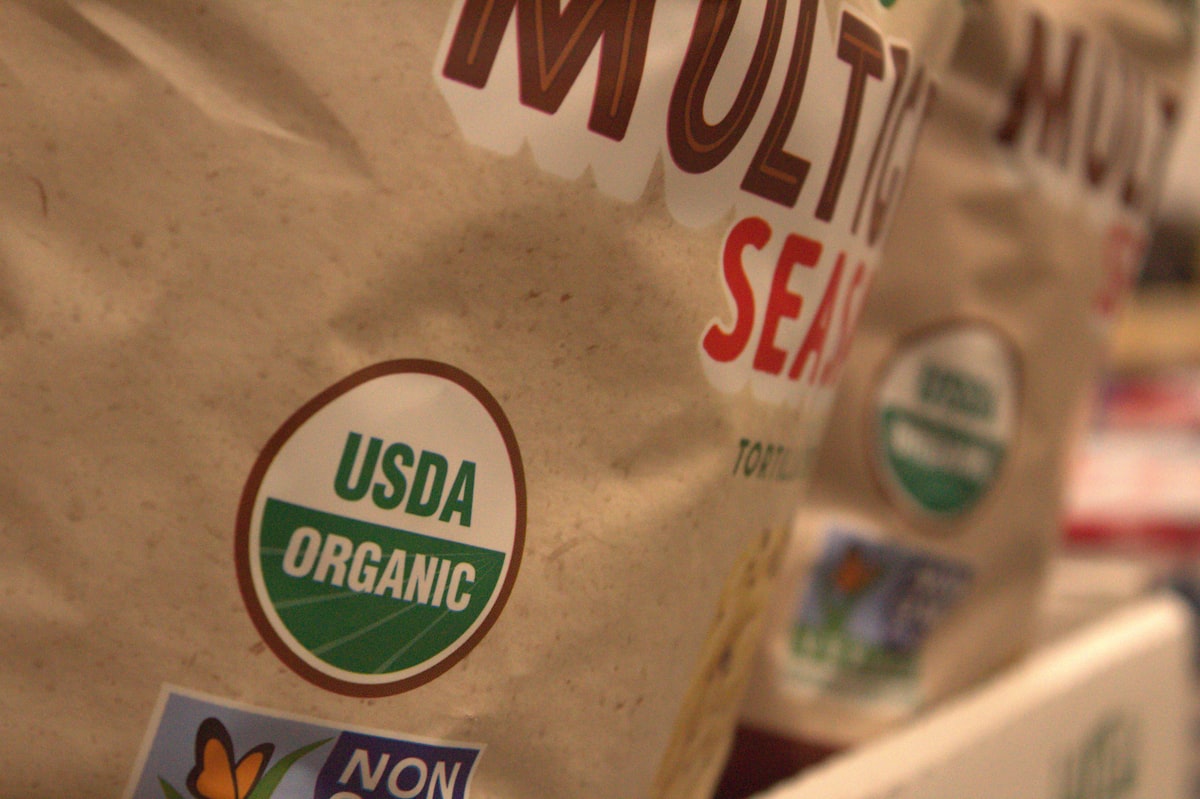
Organic certification has value, but the priority is eating more whole foods regardless of certification. If budget is limited, focus on conventional produce rather than skipping vegetables entirely. The "Dirty Dozen" list highlights produce that typically has higher pesticide residues if grown conventionally—prioritize organic for these. Conventional produce still offers far more nutritional benefit than processed alternatives. Wash all produce thoroughly and don't let the organic/conventional debate prevent you from eating abundant vegetables and fruits.
Cravings often signal nutrient deficiencies or imbalanced meals. If you crave sweets, ensure adequate protein and healthy fat (which stabilize blood sugar). For salty cravings, check mineral intake. The restriction approach typically backfires. Instead, eat satisfying balanced meals that keep you genuinely full, and enjoy small portions of foods you love as part of an overall balanced diet. Denying yourself completely usually leads to intense cravings and overeating. Find sustainable balance where you enjoy food while nourishing your body.
Yes, absolutely. Excellent plant-based protein sources include legumes (beans, lentils), tofu, tempeh, nuts, seeds, and whole grains. The key is combining complementary proteins (like rice and beans) to get complete amino acid profiles, or eating a variety throughout the day. Greek yogurt, cottage cheese, and eggs are also excellent options if you eat animal products but not meat. Plant proteins often come with beneficial fiber and phytonutrients. Ensure adequate calorie intake to support protein synthesis, and spread protein intake throughout the day rather than concentrating it at one meal.
Digestion improves with increased fiber from whole foods, adequate hydration, and eating slowly and mindfully. Fermented foods like yogurt, sauerkraut, and kimchi support beneficial gut bacteria. Include foods with natural enzymes like ginger and papaya. Manage stress since anxiety impairs digestion. Avoid eating in a rushed or stressed state. Regular movement and exercise promote healthy digestive function. If you have persistent digestive issues, keep a food diary to identify potential triggers, and consider consulting with our editorial resources on specific foods that support your unique system.
Success Stories from Our Community
Read how real people transformed their relationship with food and discovered lasting wellness through balanced nutrition principles.
I spent years jumping between diets, feeling deprived and exhausted. When I shifted to eating balanced whole foods without restriction, everything changed. My energy stabilized, my mood improved, and I actually enjoy meals now instead of feeling guilty about eating. The principles are simple, but the impact is profound.
María López, Barcelona
Understanding which foods combine for better nutrient absorption was revelatory. I started pairing iron-rich greens with citrus, turmeric with black pepper, and my digestion improved dramatically. I feel less bloated, more focused, and genuinely better every single day.
Carlos Rodríguez, Madrid
Building balanced meals using the plate method sounds too simple to work, but it's genuinely transformed how I eat. No calorie counting, no restriction—just focusing on vegetables, protein, whole grains , and healthy fats. My energy levels are stable all day, and I've lost significant weight without feeling deprived.
Priya Sharma, London
I was skeptical about meal prep, but the weekly planning guide saved me hours and money. Knowing exactly what I'm eating removes the stress of last-minute unhealthy choices. Combined with the supplement advice, I finally feel in control of my nutrition.
Marcus Thompson, Sydney
Frequently Asked Questions
How long before I see results?
Most clients notice improved digestion and energy within 2–3 weeks. Weight loss and body composition changes typically appear after 4–6 weeks of consistent nutrition adjustments and exercise.
Do I need to follow a strict diet?
No. Our approach focuses on sustainable, balanced eating rather than restriction. We teach you flexible principles so you can enjoy meals with family and friends while meeting your health goals.
Are supplements really necessary?
Supplements fill nutritional gaps when whole foods alone aren't enough—especially for vitamin D, omega-3s, and magnesium. We recommend only what your body actually needs based on your individual assessment.
Can I get personalized guidance?
Absolutely. We offer one-on-one consultations where we assess your health history, goals, and lifestyle to create a custom nutrition plan tailored specifically to you.
What if I have dietary restrictions?
Whether you're vegetarian, vegan, gluten-free, or managing allergies, we adapt our recommendations to respect your dietary choices while ensuring complete nutrition.
Ready to Transform Your Health?
Join hundreds of people who've discovered the power of balanced, sustainable nutrition. Your journey starts today.
No credit card required. Personalized advice from our nutrition experts.